The Hidden Costs of Poor Management
September 9th 2025

Great managers aren’t born—they’re built. But when organizations promote employees into leadership roles without training or support, the costs add up quickly. These costs aren’t always obvious on a balance sheet, but they show up in turnover, morale, and lost opportunities.
In this blog, we’ll uncover the hidden costs of poor management, explain why they’re so damaging, and share how HR leaders can get ahead of the problem.

1. High Turnover Costs
Turnover is one of the most expensive consequences of weak management. According to SHRM, replacing an employee can cost between 50% and 200% of their annual salary. That includes recruiting, onboarding, training, and lost productivity while the position is vacant.
Bad managers are the #1 reason employees quit—no perks or pay raises can make up for a poor relationship with a direct supervisor.
2. Lost Productivity
Poorly managed teams tend to spin their wheels. Without clear direction, priorities, or delegation, productivity stalls. Deadlines are missed, projects underdeliver, and high performers become disengaged.
Gallup data shows that managers account for 70% of the variance in employee engagement—meaning the majority of productivity gains or losses come down to leadership quality.
3. Burnout and Absenteeism
When managers micromanage, avoid hard conversations, or fail to set priorities, employees feel stuck and unsupported. The result? Burnout.
Burnout isn’t just an HR buzzword—it leads directly to higher absenteeism, lower performance, and even medical claims. That creates hidden financial costs that can overwhelm budgets.
4. Damage to Employer Brand
Employees talk. Whether it’s Glassdoor reviews, LinkedIn posts, or word-of-mouth, poor managers hurt your reputation as an employer. That makes it harder to attract top talent, and often forces companies to pay more to hire the same level of skill.
Recruitment gets more expensive when your brand is known for poor leadership.
5. HR Overload
When managers struggle, HR pays the price. Instead of focusing on strategy, HR teams are forced into constant firefighting—mediating conflicts, handling complaints, and managing turnover. This creates a cycle where HR can’t focus on building long-term programs that actually prevent these problems.
Breaking the Cycle
The good news? These hidden costs aren’t inevitable. Organizations that invest in building better managers see measurable results: higher engagement, stronger retention, and better business performance.
Key steps include:
- Introducing growth-focused manager assessments
- Training leaders in effective feedback models
- Supporting new managers with structured development plans
- Embedding leadership into company culture
How MP Can Help
If this resonates, we invite you to watch our webinar recording: Management 101: Why Bad Managers Cost You More Than You Think. In this session, MP’s Senior HR Partner Sharon Hui, SHRM-CP and PHR, shares real-world strategies for spotting struggling managers, assessing effectively, and creating a culture of leadership development.
At MP, we partner with HR leaders to:
- Identify leadership gaps early with manager assessments and engagement surveys
- Develop managers through coaching, toolkits, and training programs
- Reduce turnover by building leadership pipelines that work
- Free up HR teams to focus on strategy, not just damage control
🎥 Watch the webinar recording here →
👉 Or download our free Manager Red Flag Checklist to start spotting early warning signs in your organization. me one of the most powerful tools HR leaders have to strengthen teams, reduce turnover, and boost engagement

Make sure to subscribe to MP’s blog and stay on top of the most up-to-date news and trends in the business realm.
Stay Up-To-Date on Compliance & Trends
Recent Posts
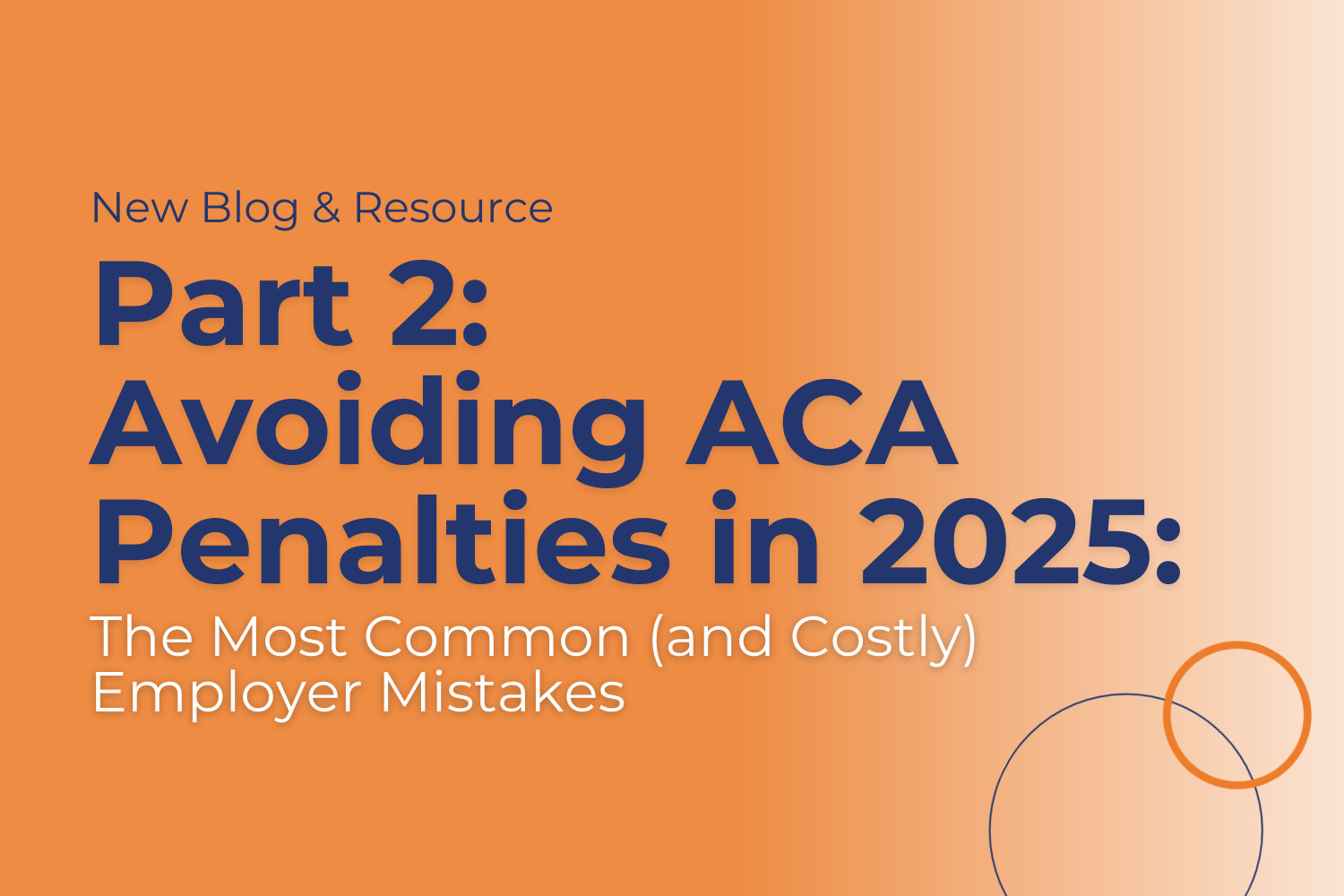
- Part 2 – Avoiding ACA Penalties in 2025: The Most Common (and Costly) Employer Mistakes
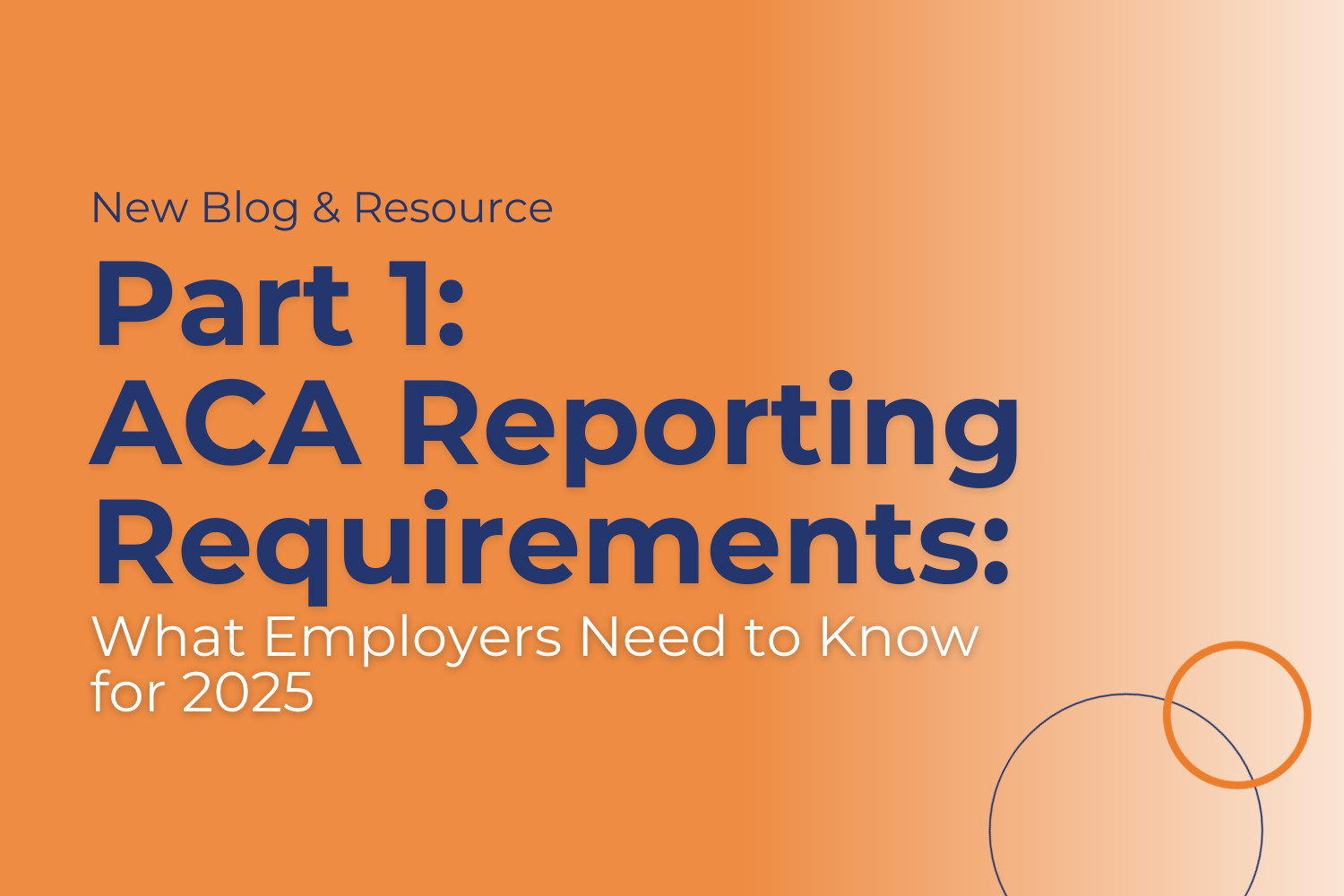
- Part 1 – ACA Reporting Requirements Made Simple: What Employers Need to Know for 2025
- Multi-State Compliance FAQs: Answers to the Questions HR Leaders Actually Ask
- Why Generic HR Systems Fail Professional Services — And What to Do Instead
- Part 3 – How to Build a Scalable Multi-State Compliance Strategy That Actually Works
Categories
- ACA (10)
- AI (6)
- BizFeed (6)
- Business Strategy (120)
- COBRA (5)
- Compliance (252)
- COVID-19 (92)
- Diversity (12)
- eBooks (19)
- Employee Engagement (33)
- Employee Handbooks (24)
- ERTC (29)
- FFCRA (7)
- HR (312)
- MP Insider (13)
- Payroll (172)
- PFML (9)
- PPP (24)
- PTO (5)
- Recruiting (54)
- Remote Work (39)
- Return to Work (32)
- Unemployment (1)
- Wellness (22)
Archives
- December 2025
- November 2025
- October 2025
- September 2025
- August 2025
- July 2025
- June 2025
- May 2025
- April 2025
- March 2025
- February 2025
- January 2025
- December 2024
- November 2024
- October 2024
- September 2024
- August 2024
- July 2024
- June 2024
- May 2024
- April 2024
- March 2024
- February 2024
- January 2024
- December 2023
- November 2023
- October 2023
- July 2023
- June 2023
- May 2023
- April 2023
- March 2023
- January 2023
- December 2022
- October 2022
- September 2022
- August 2022
- July 2022
- June 2022
- May 2022
- April 2022
- March 2022
- February 2022
- January 2022
- December 2021
- November 2021
- October 2021
- September 2021
- August 2021
- July 2021
- June 2021
- May 2021
- April 2021
- March 2021
- February 2021
- January 2021
- December 2020
- November 2020
- October 2020
- September 2020
- August 2020
- July 2020
- June 2020
- May 2020
- April 2020
- March 2020